
Published July 11, 2026
A Beautiful Parcel Is Not Automatically a Buildable Parcel

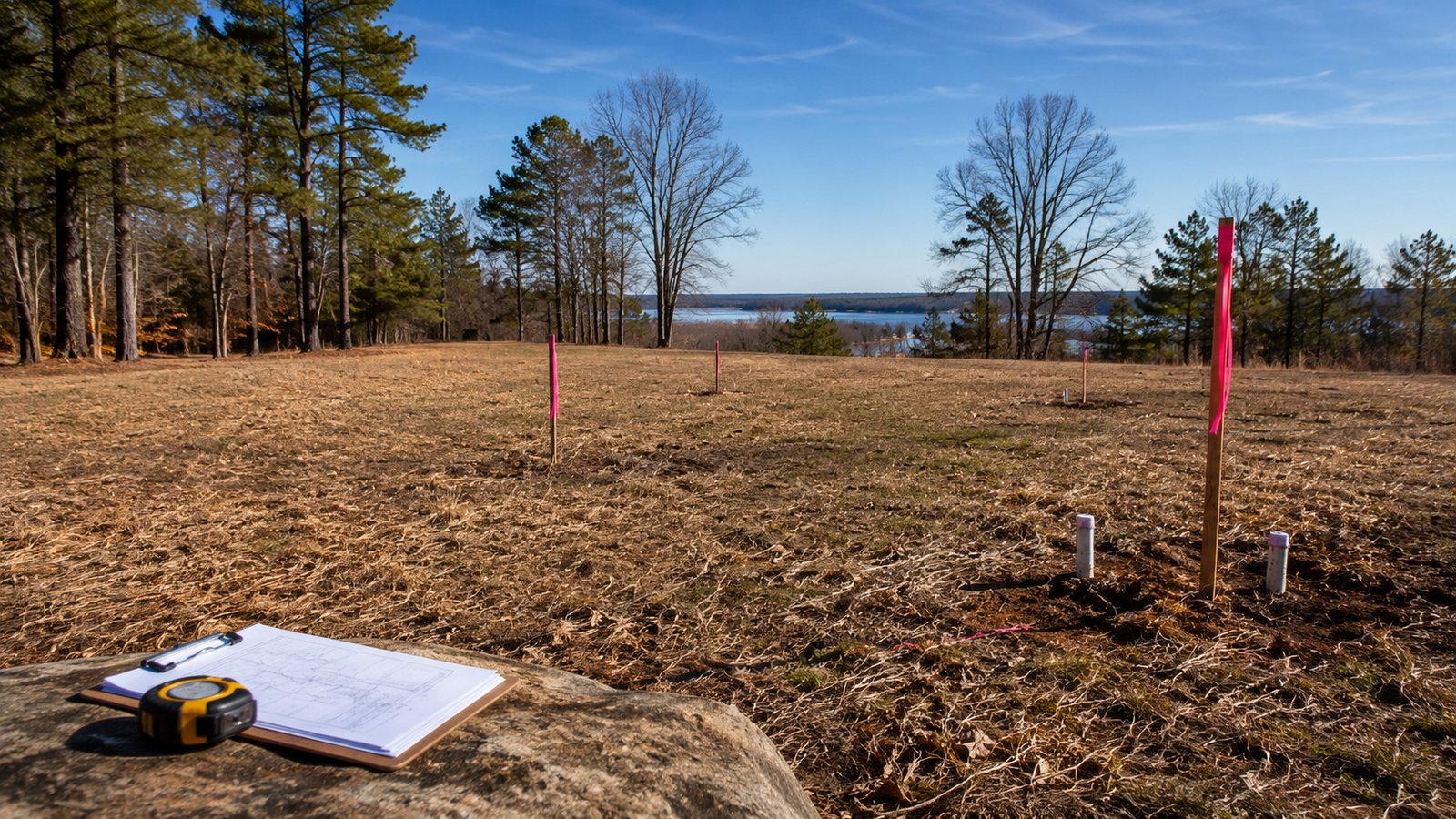
A Beautiful Parcel Is Not Automatically a Buildable Parcel
By Dawn Riley, Associate Broker, Realtor, MCNE, PSA
A Beautiful Parcel Is Not Automatically a Buildable Parcel
Vacant land can look simple.
There is no roof to inspect, no furnace to replace, and no kitchen to renovate.
But land may require more investigation than a house because the value often depends on what can legally and practically be built.
A wooded parcel, open field, or waterfront lot may be beautiful and still have major limitations involving septic approval, access, wetlands, zoning, easements, utilities, Critical Area restrictions, or development costs.
The right question is not simply, "How many acres does it have?"
The right question is, "What can this buyer actually do with it?"
Buildable Is Not a Single Yes-or-No Fact
People use the word buildable as though it has one definition.
A parcel may be legally created but unable to support a conventional septic system.
It may pass a perc test but lack legal road access.
It may have access and septic potential but be constrained by wetlands, setbacks, floodplain, topography, or conservation restrictions.
A lot may support one house but not the subdivision, barn, accessory dwelling unit, or business use the buyer wants.
Buildability is a collection of approvals and physical conditions.
Start With the Deed and Legal Description
The deed identifies the ownership and legal description. It may also reference plats, easements, restrictions, or prior conveyances.
Review questions include:
-
Is the seller the legal owner?
-
Are all owners participating?
-
Is the property held by an estate, trust, corporation, or LLC?
-
Does the acreage in the tax record match the deed?
-
Is the parcel separately transferable?
-
Are there restrictions?
-
Are mineral, timber, or development rights affected?
-
Are there rights of way?
-
Is the parcel landlocked?
-
Are there conservation or agricultural easements?
Tax records are useful, but they do not replace a title review.
A Survey Can Add Real Value
A current boundary survey can help establish:
-
Exact boundaries
-
Acreage
-
Road frontage
-
Encroachments
-
Easements
-
Rights of way
-
Existing improvements
-
Streams or other features
-
Relationship to neighboring parcels
A tax map is not a boundary survey.
For sellers, a survey can make the property easier to evaluate and reduce buyer uncertainty.
For buyers, it can prevent assumptions based on fences, tree lines, farm roads, or old markers.
Legal Access Must Be Confirmed
A parcel that touches a road on a map may not have an approved entrance.
A parcel reached by a private lane may depend on an easement with specific terms.
Investigate:
-
Public road frontage
-
Recorded access easements
-
Width of access
-
Maintenance obligations
-
Shared driveway agreements
-
Entrance permits
-
Sight-distance requirements
-
Culvert needs
-
Emergency vehicle access
-
Whether utilities can use the same route
Landlocked property may have value, but access problems can severely limit financing and development.
Perc Testing Is Often Central to Value
In many Southern Maryland areas without public sewer, a property needs an approved on-site sewage disposal area.
A perc test evaluates soil and site conditions to determine whether wastewater can be treated through an approved septic system.
The process may involve:
-
Soil evaluation
-
Test holes
-
Seasonal conditions
-
Topography
-
Setbacks
-
Water table
-
Reserve area
-
Proposed house location
-
Well location
-
County health department review
A prior perc does not always answer the current question.
Ask:
-
When was it completed?
-
Is it still valid?
-
For how many bedrooms?
-
What type of system was approved?
-
Where is the approved area?
-
Is a replacement area required?
-
Have regulations changed?
-
Would the buyer's plan fit the approval?
The number of approved bedrooms can affect design and resale value.
An Alternative Septic System May Change the Budget
Some properties cannot use a conventional gravity system but may qualify for an alternative system.
Alternative systems can involve:
-
Pumps
-
Pretreatment units
-
Mounds
-
Pressure distribution
-
Advanced treatment
-
Ongoing maintenance
-
Electrical components
-
Service agreements
The system may make construction possible, but at a higher initial and long-term cost.
A buyer should obtain realistic estimates before deciding the land is affordable.
The least expensive lot can become the most expensive project.
Public Sewer Does Not Eliminate All Questions
If public sewer is available, determine:
-
Is connection mandatory?
-
Is the line at the property?
-
Is capacity available?
-
What are the connection and impact fees?
-
Will an extension be required?
-
Are assessments outstanding?
-
Who pays for road work?
-
Is a grinder pump required?
-
Are there timing restrictions?
"Public sewer nearby" is not the same as a ready connection.
A Well Requires Space and Approval
Where public water is unavailable, the buyer may need a private well.
The planned well must meet applicable separation requirements from septic components, property boundaries, contamination sources, and other features.
Investigate:
-
Well feasibility
-
Neighboring well records
-
Water depth
-
Yield
-
Quality concerns
-
Drilling access
-
Treatment expectations
-
Abandoned wells
-
Agricultural or industrial history
A small lot may have difficulty fitting the house, septic area, replacement area, and well while meeting setbacks.
Zoning Controls Use
Zoning affects what can be built and how the property can be used.
Questions include:
-
Is a single-family home permitted?
-
Is agriculture permitted?
-
Can the property be subdivided?
-
Are horses or livestock allowed?
-
Are accessory buildings permitted?
-
Can a business operate there?
-
Is an accessory dwelling unit allowed?
-
What are the setbacks?
-
What is the maximum lot coverage?
-
Are there height limits?
-
Are special exceptions required?
A buyer should describe the intended use to the county in specific terms.
Asking whether the parcel is "residential" may not answer whether the buyer can build a workshop, keep six horses, operate a wedding venue, or create multiple lots.
Subdivision Potential Must Be Proven
Large acreage does not automatically mean multiple building lots.
Subdivision depends on:
-
Zoning density
-
Parent-parcel history
-
Previously transferred development rights
-
Road frontage
-
Access
-
Septic areas
-
Well locations
-
Stormwater requirements
-
Forest conservation
-
Agricultural preservation
-
Critical Area rules
-
Environmental features
-
County procedures
A seller should be careful about advertising "subdividable" without reliable support.
A buyer should make subdivision feasibility a formal part of due diligence.
Wetlands, Streams, and Buffers Can Reduce the Usable Area
A parcel may contain wetlands, streams, floodplain, steep slopes, or protected buffers.
These features can affect:
-
House location
-
Driveway
-
Septic
-
Clearing
-
Grading
-
Outbuildings
-
Farming
-
Shoreline access
-
Subdivision
-
Utility installation
The usable portion may be much smaller than the total acreage.
Online maps are helpful screening tools. They are not always precise enough for final design.
Critical Area Rules Can Affect Coastal Parcels
Land near tidal waters and tidal wetlands may fall within Maryland's Critical Area.
The designation may affect:
-
Clearing
-
Lot coverage
-
Buffers
-
Additions
-
New construction
-
Shoreline access
-
Tree removal
-
Subdivision
-
Replacement structures
A parcel's waterfront location may increase desirability while reducing development flexibility.
Before purchasing based on a future house design, confirm what the local Critical Area program allows.
Forest Conservation Can Affect Clearing
Development may trigger forest conservation requirements.
Depending on the project, the buyer may need to preserve forest, plant trees, create easements, or pay related costs.
A heavily wooded parcel is not a blank canvas.
The location of protected forest may affect the house, driveway, septic, and yard.
Agricultural and Conservation Easements Matter
An easement may restrict development while preserving farming, environmental, scenic, or historic values.
These restrictions can be permanent.
Review:
-
Permitted residential rights
-
Existing dwelling rights
-
Subdivision limitations
-
Agricultural-use requirements
-
Building envelopes
-
Commercial-use restrictions
-
Approval procedures
-
Transfer obligations
An attractive tax assessment or preserved setting may come with limitations that must fit the buyer's plans.
Utilities Affect the Construction Budget
Ask whether the property has access to:
-
Electric
-
Internet
-
Cable
-
Natural gas
-
Propane delivery
-
Public water
-
Public sewer
-
Telephone
-
Cellular service
A utility line at a neighboring home may not mean the connection is inexpensive.
Long driveways and remote building sites can require poles, trenching, transformers, conduit, and easements.
Buyers working remotely should verify actual internet options rather than relying on an online coverage map.
Topography and Drainage Affect Design
Slopes can create beautiful views and expensive construction.
Potential costs include:
-
Excavation
-
Retaining walls
-
Long foundations
-
Special septic design
-
Stormwater management
-
Driveway grading
-
Erosion control
-
Tree removal
-
Rock removal
-
Foundation engineering
Visit after heavy rain when possible.
Standing water, washed soil, unstable slopes, and drainage paths may not be visible on a dry day.
Environmental History Can Matter
Prior use may create concerns involving:
-
Underground tanks
-
Dumping
-
Agricultural chemicals
-
Industrial use
-
Fill material
-
Abandoned structures
-
Burn pits
-
Contaminated soil
-
Old wells
-
Asbestos-containing debris
A clean field today may have a complicated past.
Depending on the history and intended use, an environmental professional may be appropriate.
Financing Vacant Land Is Different
Land loans often have:
-
Higher down payments
-
Shorter terms
-
Different interest rates
-
Stronger borrower requirements
-
Appraisal challenges
-
Construction deadlines
-
Limited lender options
Some buyers use cash and later obtain construction financing. Others use a construction-to-permanent loan.
The buyer should speak with a lender familiar with land and construction before making an offer.
A Feasibility Period Protects the Buyer
A land contract may include time for due diligence.
The feasibility review might address:
-
Perc testing
-
Survey
-
Zoning
-
Subdivision
-
Access
-
Well
-
Wetlands
-
Environmental conditions
-
Utilities
-
Engineering
-
Building costs
-
Financing
The contingency should be carefully drafted with clear deadlines, access rights, testing permissions, restoration obligations, and notice procedures.
A vague right to "inspect the property" may not be enough for a complex land project.
Sellers Can Improve Marketability Before Listing
Land sellers can reduce uncertainty by gathering:
-
Current tax bill
-
Deed
-
Survey
-
Plat
-
Perc records
-
Septic approvals
-
Well records
-
Zoning information
-
Easement documents
-
Soil information
-
Timber information
-
Utility contacts
-
Conservation documents
-
Prior engineering
-
Feasibility studies
Obtaining a current perc approval or confirming an existing approval can add meaningful value because it answers one of the buyer's largest questions.
But sellers should avoid making promises beyond the available documentation.
How I Analyze a Land Listing
My land review focuses on what supports value and what creates uncertainty.
I ask:
1. Who owns it and how is title held?
2. Is there legal access?
3. What do the deed, plat, and survey show?
4. Is there a valid perc or sewer availability?
5. Can a well and septic fit?
6. What does zoning allow?
7. Are wetlands, buffers, or easements present?
8. Are utilities practical?
9. What is the buyer most likely to build?
10. Which questions should be answered before the property reaches the market?
Land is marketed more effectively when the listing gives buyers useful, verifiable information.
Frequently Asked Questions
Does a tax record showing a building lot mean I can build?
Not necessarily. Tax classifications do not replace current zoning, health department, access, environmental, and permitting review.
What is a perc test?
It is part of the evaluation used to determine whether the site can support an approved on-site sewage disposal system.
Does an old perc approval still count?
Maybe. Validity, design standards, location, and regulations may have changed. Confirm with the local health department.
Can I subdivide ten acres?
Acreage alone does not determine subdivision rights. Zoning, parcel history, access, septic, environmental rules, and development rights all matter.
Is a survey required?
Requirements vary, but a survey can be highly valuable for understanding boundaries, access, easements, and usable land.
Can I build near the water?
Possibly, but Critical Area, floodplain, buffer, wetland, setback, and local requirements may limit the building area.
Is land cheaper to develop than buying a home?
Not always. Site work, utilities, septic, well, engineering, permits, financing, and construction can exceed expectations.
Should a seller get a perc before listing?
Often it improves marketability and value, but the decision depends on cost, timing, and the property's circumstances.
The Bottom Line
Beautiful land is not automatically buildable land.
The buyer needs to understand access, septic, well, zoning, environmental limits, title, utilities, and construction costs.
The seller benefits from answering the most important questions before asking buyers to commit.
For help evaluating, buying, or marketing vacant land in Southern Maryland, contact Dawn Riley at 410-414-2438.
This article provides general real estate information and is not legal, engineering, surveying, environmental, financing, or permitting advice.
Sources and Further Reading
-
St. Mary's County Health Department, Perc Testing: https://smchd.org/permits-records/perc-testing/
-
Calvert County Health Department, On-Site Sewage Disposal Systems Guide: https://www.calverthealth.org/community/environmentalhealthservices/PDF/glinosds.pdf
-
Maryland Department of the Environment, On-Site Disposal Systems: https://mde.maryland.gov/programs/water/bayrestorationfund/onsitedisposalsystems/pages/onsitesystems.aspx
-
Maryland Department of Natural Resources, Critical Area Frequently Asked Questions: https://dnr.maryland.gov/criticalarea/pages/faqs.aspx