
Published July 25, 2026
Buying Waterfront? Review the Shoreline Work, Permits and Maintenance History

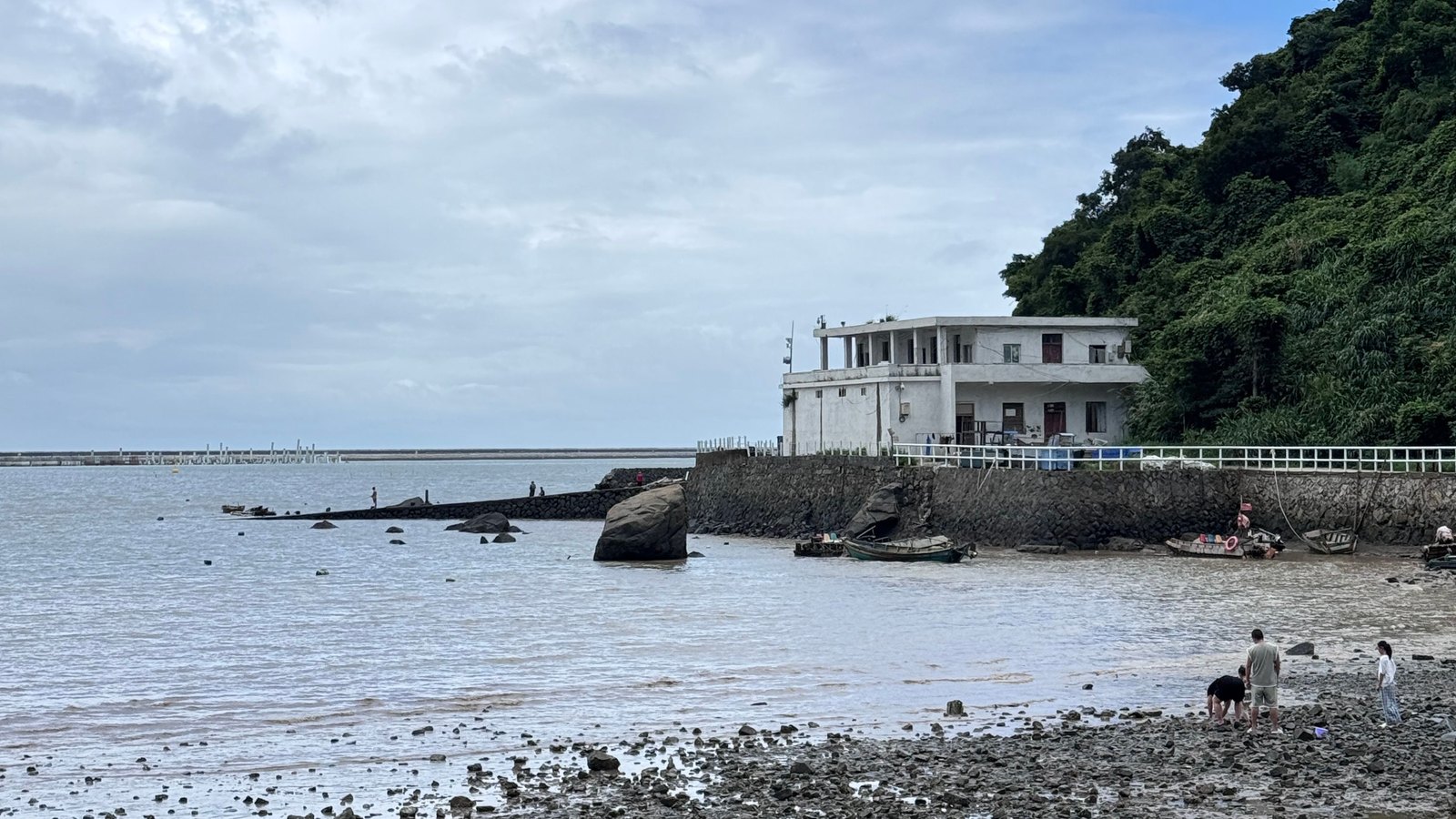
Buying Waterfront? Review the Shoreline Work, Permits and Maintenance History
A protected shoreline may represent years of planning and substantial expense. Buyers should understand the work well enough to maintain it and explain it at resale.
Calvert County real estate is rarely one-size-fits-all. Property type, private systems, waterfront conditions, location and contract terms can change the answer. The goal is to identify what matters, verify it and make a decision with the complete picture.
Dawn’s approach: Get the facts early, compare the real options and protect the client’s position in writing.
Collect the Project File
Request permits, plans, surveys, contractor documents, invoices, warranties and photographs. The file should explain what was approved and what was installed.
Identify the Stabilization Method
Stone revetment, bulkhead and living shoreline systems perform differently. The design should fit the site and the maintenance plan.
Check Shared Responsibilities
Community projects may involve assessments, access rights and future cost sharing. Review recorded agreements and association records.
Inspect Today’s Condition
Look for erosion, movement, scouring, exposed materials and failing transitions. Records do not replace a current physical review.
Keep Shoreline and Flood Analysis Separate
Stabilization may protect the bank, but it does not determine the flood zone, insurance premium or building elevation.
Related planning: Survey, Boundary Survey or Location Drawing: What Maryland Buyers Need and Before You Buy Waterfront, Price the Flood Risk and Insurance.
Frequently Asked Questions
What shoreline documents should a waterfront buyer request?
Ask for permits, approved plans, surveys, engineering or feasibility studies, contractor invoices, completion records, warranties and maintenance history.
Does riprap eliminate flood risk?
No. Shoreline stabilization and flood exposure are related but separate. Buyers should review official flood maps, elevation and insurance requirements.
What is a living shoreline?
It is a shoreline stabilization approach that uses natural materials such as plants, sand and stone, often designed to reduce erosion and support habitat.
Who maintains a shared shoreline project?
The answer may be in association records, recorded agreements, project contracts or cost-sharing documents. Buyers should confirm responsibility before settlement.
Should a shoreline be professionally inspected?
A qualified professional may be appropriate when there are signs of failure, unclear records or a significant future maintenance concern.
Related RileyTeam.net Real Estate Guides
Learn more about Dawn Riley’s local experience and negotiation background at DawnRiley.net.
Sources Cited
- Maryland Department of the Environment, Living Shorelines: https://mde.maryland.gov/programs/water/wetlandsandwaterways/pages/livingshorelines.aspx
- Maryland Department of Natural Resources, Living Shorelines: https://dnr.maryland.gov/ccs/Pages/livingshorelines.aspx
- Maryland Department of the Environment, Tidal Permits: https://mde.maryland.gov/programs/water/wetlandsandwaterways/permitsandapplications/pages/tidal_permits.aspx
This article provides general real estate information. Legal, loan, insurance, tax, appraisal, inspection and property requirements vary. Consult the appropriate licensed professional for advice about your specific situation.