
Published August 16, 2026
Do You Really Know Where the Calvert County Property Line Is?

Do You Really Know Where the Calvert County Property Line Is?
By Dawn Riley, Associate Broker, Realtor and Master Certified Negotiator
If access, acreage, a future garage or waterfront use matters to the purchase, do not rely on assumptions. Define the right, location and limits before closing.
The smartest next step is to organize the facts early. Property details, written terms and timing all matter, and a local strategy can prevent a small assumption from becoming a closing-day problem.
The lawn is not a legal boundary
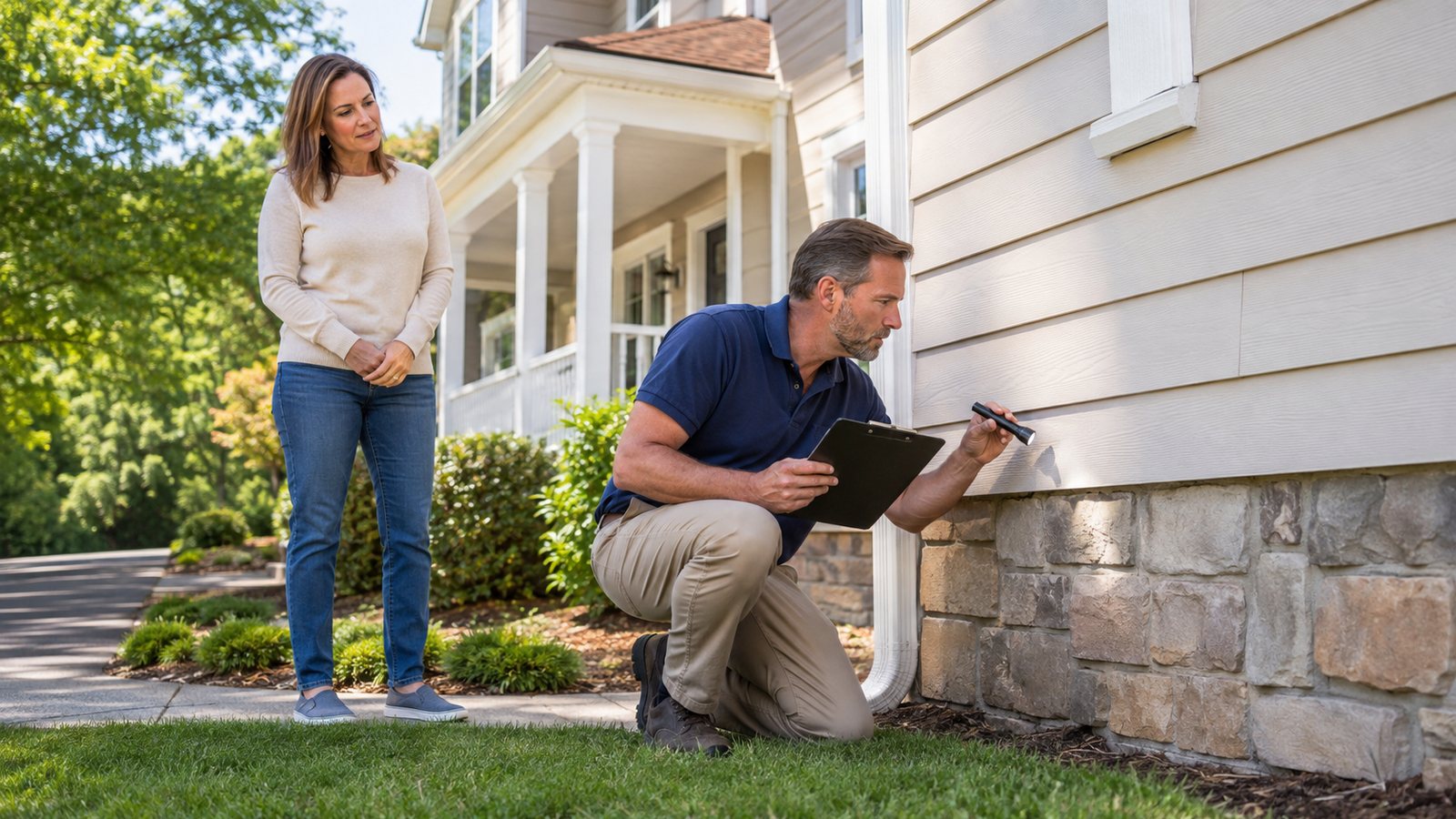
Mowing patterns, fences and driveways may not follow the recorded lines. Survey evidence and land records carry more weight than appearance.
Clarify what the survey will deliver
A location drawing and a boundary survey serve different purposes. Buyers should ask whether corners will be marked and whether planned work can rely on the product.
Read shared-access rights carefully
A driveway easement should explain who can use it, where it lies and what maintenance rights exist. Utilities and waterfront access can involve separate recorded rights.
Order the work while there is time
Title review and surveying can uncover questions that take more than a day to resolve. Start early when acreage, access or future construction matters.
Questions Buyers and Sellers Ask
Can a buyer rely on the existing fence line?
No. Fences can be misplaced or intentionally set inside a boundary.
How does a right-of-way affect the parcel?
It is a legal right allowing someone to pass over or use a defined part of another property.
Does every surveyor set corner markers?
No. Confirm the scope with the surveyor before ordering.
Could an easement interfere with a planned improvement?
It may. The easement language, location, zoning and permit rules all matter.
Which access rights matter on a waterfront purchase?
Yes. Pier, beach, road and shoreline access may depend on recorded rights that should be verified.