What Calvert County Buyers Should Keep Handy on Moving Day
By Dawn Riley, Associate Broker, Realtor and Master Certified Negotiator
Pack one clearly marked container that travels with you, not on the moving truck. The goal is to handle the first mess, loose screw, dark hallway or minor scrape without searching through fifty boxes.
The smartest next step is to organize the facts early. Property details, written terms and timing all matter, and a local strategy can prevent a small assumption from becoming a closing-day problem.
Keep one box out of the moving truck
The first-night box should ride with the buyer. Stock it with cleaning products, hand soap, paper goods, chargers, medication, water and anything the household cannot wait to unpack.
Small tools solve immediate problems
A hammer, screwdrivers, tape measure, level, removable hooks and a safe box cutter cover most early tasks. Add a power strip, extension cord, bulbs and nightlights for rooms that are darker than expected.
Prepare for the human side of moving
Moving day includes spills, hunger and minor scrapes. Towels, dish soap, easy snacks, disposable plates and a real first-aid kit keep the day moving.
A closing gift can be genuinely useful
A personalized kit is more helpful than generic decor. Match it to the buyer, label it clearly and include local utility information.
Questions Buyers and Sellers Ask
Which essentials belong in the buyer’s car?
Cleaning basics, toilet paper, hand soap, tools, chargers, medications, water, snacks and important documents should travel with the buyer.
Why should the first-night box stay off the truck?
No. Keep it in the buyer’s vehicle so it is available even if the truck is delayed.
Which simple supply do people forget most often?
A small trash can with liners is one of the most useful first-day items and is often forgotten.
What safety items belong in the kit?
Yes. A first-aid kit, flashlight, batteries, water and household-specific medications are sensible additions.
Is this a good personalized closing present?
Yes. It is practical, easy to personalize and useful from the moment the buyer receives the keys.
Related RileyTeam.net Real Estate Guides
Sources Cited
Before You Improve a Calvert County Waterfront Property, Check the Critical Area Rules
By Dawn Riley, Associate Broker, Realtor and Master Certified Negotiator
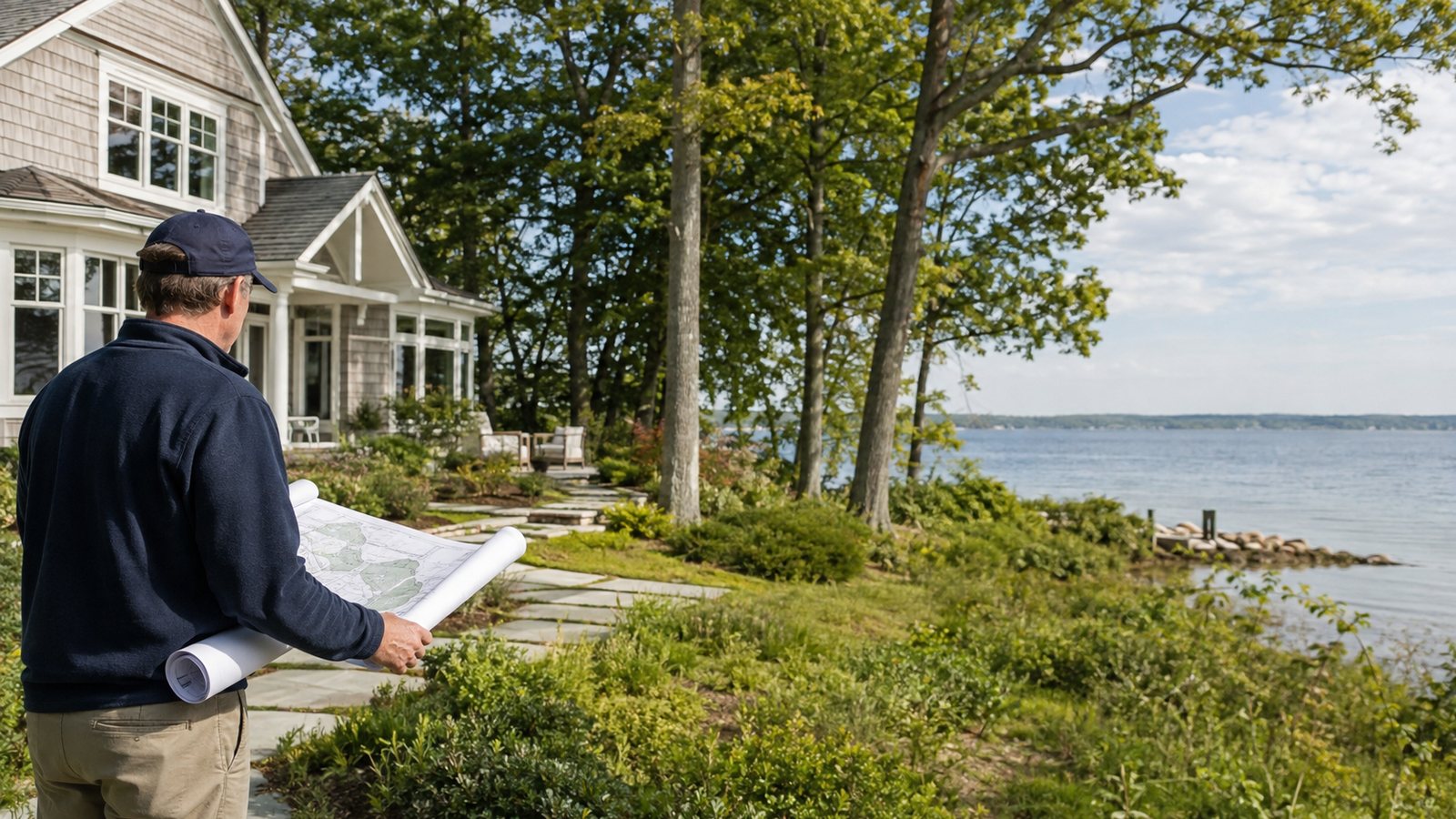
Do not treat a beautiful yard as proof that every deck, shed, tree removal or shoreline project is automatically permitted. Verify the rules for the specific parcel and the work you hope to do.
The smartest next step is to organize the facts early. Property details, written terms and timing all matter, and a local strategy can prevent a small assumption from becoming a closing-day problem.
First confirm the mapped designation
Do not estimate Critical Area status by looking at the water. Use Calvert County’s approved mapping and ask Planning & Zoning about the exact parcel.
Future improvements may need extra review
Decks, sheds, additions, pools, clearing and shoreline access can involve lot-coverage limits, buffer rules, mitigation planting and permits.
Existing conditions need documentation too
A long-standing improvement is not automatically approved. Permit history, surveys and prior plans help separate lawful existing work from assumptions.
Make the intended use part of due diligence
If a project is important to the purchase, describe it specifically and get property-level guidance before the contract deadlines pass.
Questions Buyers and Sellers Ask
How can a buyer confirm Critical Area status?
It generally includes land within 1,000 feet of tidal waters or tidal wetlands, but buyers should rely on the approved parcel map.
Does tree removal require advance approval?
Tree or vegetation removal may require approval and mitigation. Ask Calvert County before beginning work.
Is an old deck automatically legal?
No. Buyers should review permit history and not assume age or visibility equals approval.
What could limit a future pool or shed?
Possibly, but lot coverage, setbacks, buffer rules and permits may limit the location or size.
Where should a buyer get a parcel-specific answer?
Calvert County Planning & Zoning should evaluate the parcel and proposed project. Specialized survey, engineering or environmental advice may also be needed.
Related RileyTeam.net Real Estate Guides
Sources Cited