
Published July 11, 2026
You Cannot Negotiate an Offer You Never Receive

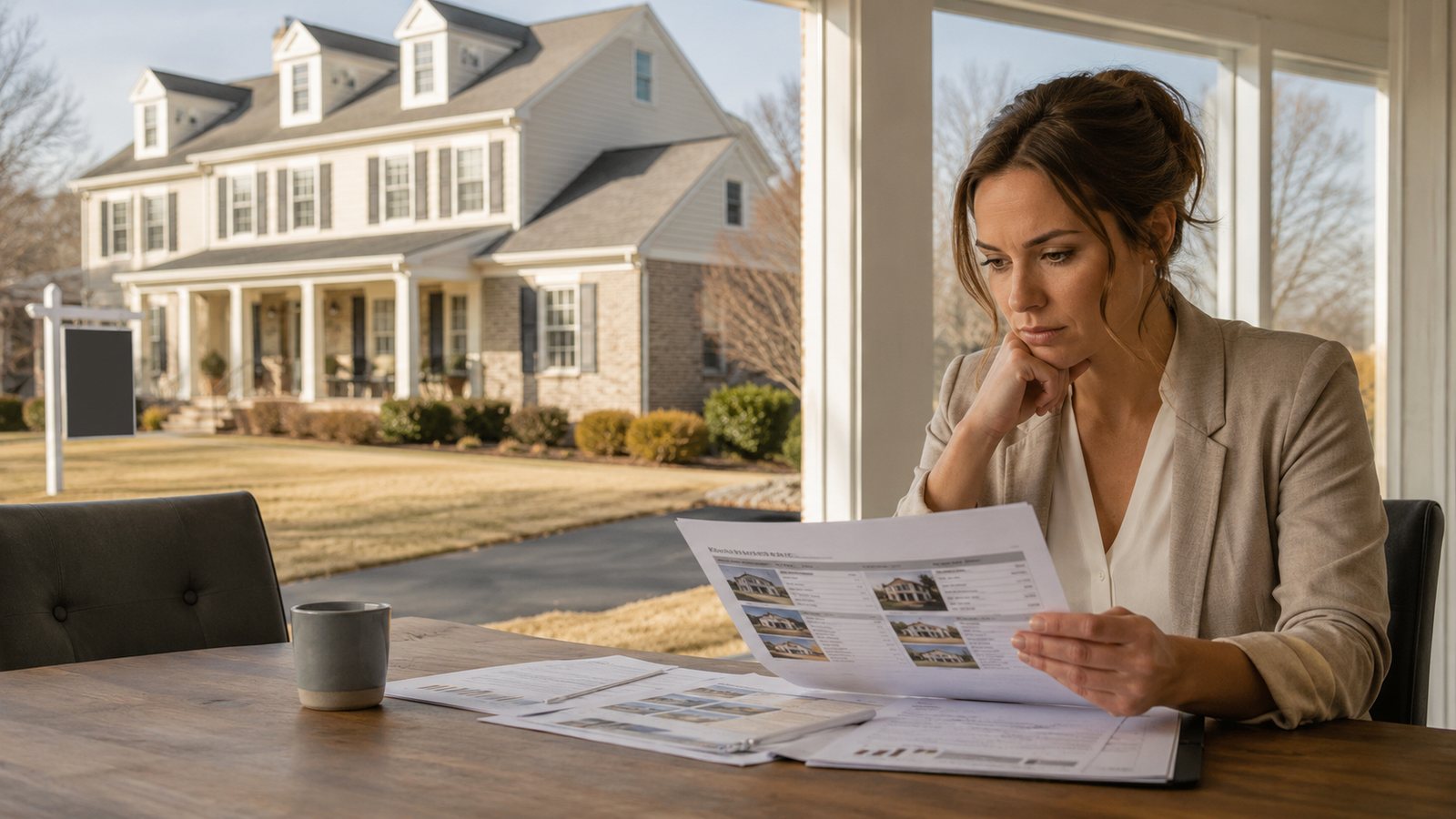
You Cannot Negotiate an Offer You Never Receive
By Dawn Riley, Associate Broker, Realtor, MCNE, PSA
You Cannot Negotiate an Offer You Never Receive
One of the most persistent myths in real estate is that a seller should list high to leave room for negotiation.
It sounds reasonable. Start above market value, wait for a buyer to make an offer, and negotiate down to the number you actually want.
But that strategy depends on one major assumption: buyers will make an offer on a home they believe is overpriced.
Many will not.
Instead, they will skip the property, save a more competitively priced home, or wait for a price reduction. The seller never gets the chance to negotiate because the buyer never enters the conversation.
After more than 25 years in Maryland real estate, I have seen this pattern repeatedly. The list price does not create the value. It communicates the seller's position to the market. When the price and the property do not match, buyers usually respond with silence.
Your List Price Is a Marketing Decision
A list price is not simply a number placed in the multiple listing service. It is one of the most important parts of the marketing plan.
The price determines:
-
Which online searches include the property
-
Which competing homes buyers compare it against
-
Whether buyers believe the home offers value
-
Whether agents feel confident recommending a showing
-
How much urgency the property creates
-
Whether the seller is likely to receive one offer or several
The market does not care what the seller paid, how much the seller spent on improvements, or how much money the seller needs for the next move. Those facts matter to the seller's financial planning, but buyers compare the home with the other choices available to them.
A strong pricing strategy starts with the competition, the recent sales, the condition of the property, the location, and current buyer behavior.
It does not begin with a desired net and work backward.
Buyers Shop in Price Ranges
Most buyers begin online. They set a maximum price and receive a list of homes that fit their criteria.
Suppose a home is likely to sell around $600,000. If the seller lists it at $649,000 to create negotiating room, several things may happen.
Buyers searching up to $625,000 may never see it.
Buyers searching from $625,000 to $675,000 will compare it with homes that may be larger, newer, more updated, or in a stronger location.
The home misses the audience most likely to appreciate it and enters a more demanding competitive group.
Price brackets matter. A difference of a few thousand dollars can determine whether a property appears in a buyer's search. That is why pricing should consider not only market value, but also how buyers search.
Overpricing Can Reduce Showings Before They Begin
Buyers and their agents have limited time.
When they plan a day of showings, they usually choose the homes that appear to offer the strongest combination of location, condition, features, and price.
An overpriced home may be removed from the list before anyone walks through the door.
That is a critical point. Sellers often believe buyers will see the home, fall in love, and then make a lower offer. But the buyer must first decide the property is worth seeing.
A price that feels disconnected from the market can prevent the emotional connection the seller is counting on.
The First Days on the Market Matter
A new listing receives its greatest natural burst of attention when it first becomes available.
Buyers who have been waiting for a home in that price range receive alerts. Agents notice the new inventory. Online activity rises. The property has a chance to feel fresh and competitive.
That initial attention is valuable.
When the home is overpriced, the seller may waste the period when the largest group of qualified buyers is watching.
A later price reduction may bring the property into the correct range, but the listing is no longer new. Buyers may wonder why it has not sold. Some assume there is a problem with the house. Others believe the seller will reduce the price again.
The seller may eventually reach the correct price, but with less excitement and less leverage.
Days on Market Change the Negotiation
Time affects how buyers interpret a listing.
A home that has been available for two days may create urgency. A buyer knows other people may be scheduling showings and preparing offers.
A home that has been available for sixty days sends a different message. The buyer may assume the seller is more negotiable. The buyer may ask for a lower price, more seller assistance, repairs, or favorable settlement terms.
The physical property has not changed. The negotiating environment has.
This is why pricing is not just about attracting an offer. It is about preserving leverage when the offer arrives.
Overpricing Does Not Protect the Seller From a Low Appraisal
Some sellers believe a high list price will persuade the appraiser to support a higher value.
That is not how the process works.
An appraiser reviews relevant sales, market conditions, property characteristics, condition, and other data. The list price may be part of the file, but it does not replace the evidence.
A buyer may agree to an aggressive price, especially in a competitive situation. If the property does not appraise, the contract terms will determine what happens next. The parties may renegotiate, the buyer may bring additional cash, or the transaction may be at risk.
Strategic pricing should create competition without ignoring appraisal exposure.
Price Reductions Do Not Always Reset the Listing
A price reduction can improve activity when the new price reaches the right buyers. But it does not erase the listing history.
Buyers can often see:
-
The original list price
-
The number and timing of reductions
-
How long the property has been available
-
Whether the home was previously listed
-
Whether the listing was withdrawn and relisted
Repeated reductions may signal that the seller started too high or is chasing the market.
In a declining or slowing market, chasing the market is especially risky. If competing homes are reducing their prices while the seller waits, the correct number may keep moving lower.
The seller who prices ahead of the market may sell. The seller who follows the market down may remain available.
Market Value Is a Range, Not a Perfect Number
Pricing is not an exact science.
Two knowledgeable professionals can review the same data and reach slightly different conclusions. Unique homes, waterfront properties, acreage, custom construction, and unusual locations require judgment as well as statistics.
The goal is not to pretend there is one magical number.
The goal is to identify a defensible range and choose the position within that range that best supports the seller's objectives.
A seller may prioritize:
-
The highest possible price
-
A fast sale
-
A specific settlement date
-
Minimal repairs
-
Certainty
-
Time to find another home
-
A rent-back period
-
Reduced appraisal risk
The best pricing strategy considers all of those goals.
Strategic Pricing Is Not Underpricing
There is an important difference between pricing strategically and giving a home away.
A strategic list price should be supported by the market. It should attract the right buyers and create enough interest to produce strong terms.
In some situations, positioning near the most compelling part of the range may attract several buyers. Competition can improve price, reduce contingencies, strengthen appraisal language, and give the seller choices.
In other situations, especially with a highly specialized property, a seller may need to begin closer to the upper end of the range and allow more marketing time.
The strategy should fit the property. It should not be based on a slogan.
The Seller's Competition Is Not Limited to Recent Sales
Closed sales help establish value, but buyers do not shop the sold listings. They shop the homes available now.
A complete pricing analysis should consider:
Active listings
These are the seller's current competition. They show what buyers can choose today.
Pending sales
These indicate which prices and properties recently attracted buyers, although the final sale terms may not yet be public.
Closed sales
These provide evidence of what buyers and lenders have supported.
Expired and withdrawn listings
These can reveal prices the market rejected.
New construction
Builders may offer closing-cost incentives, rate buydowns, warranties, and upgrades that compete with resale homes.
Off-market alternatives
Some buyers compare buying with renting, renovating, building, or waiting.
A strong pricing recommendation considers the entire decision a buyer is making.
Condition Affects the Pricing Strategy
Two homes with similar square footage are not automatically comparable.
Buyers react to:
-
Roof age
-
HVAC age
-
Kitchen and bathroom condition
-
Flooring
-
Paint
-
Natural light
-
Layout
-
Storage
-
Exterior maintenance
-
Septic and well information
-
Waterfront improvements
-
Permits
-
Cleanliness
-
Odors
-
Deferred maintenance
A renovated home may justify a stronger position. A home needing major work may need a price that leaves buyers room for the cost, inconvenience, and risk of completing those projects.
Sellers often calculate the retail cost of improvements and expect to recover every dollar. Buyers may value the improvement, but rarely on a dollar-for-dollar basis.
Online Estimates Are Not a Pricing Strategy
Automated estimates can be useful as a starting point. They cannot walk through the property, evaluate the quality of renovations, understand the view, smell moisture, hear road noise, or recognize a superior lot.
They may also struggle with:
-
Waterfront versus water view
-
Riparian versus non-riparian property
-
Custom homes
-
Acreage
-
Outbuildings
-
Private roads
-
Unpermitted improvements
-
Unique architecture
-
Rural areas with limited comparable sales
A thoughtful pricing strategy combines data with firsthand property knowledge.
What Happens When the Home Is Priced Correctly?
Correct pricing does not guarantee multiple offers. No honest real estate professional can promise that.
But it improves the conditions that make a strong sale possible.
The property is more likely to:
-
Appear in the right searches
-
Attract qualified buyers
-
Generate early showings
-
Produce useful feedback
-
Create urgency
-
Receive an offer while the listing is fresh
-
Preserve the seller's negotiating position
The list price should invite the market to respond.
How I Approach Pricing
My approach is not to choose the highest number that sounds appealing.
I review the property as a buyer, an agent, a negotiator, and a pricing strategist.
I look at:
1. The most relevant closed sales
2. The active competition
3. The listings buyers rejected
4. Current absorption and buyer activity
5. Property condition
6. Lot and location differences
7. Likely appraisal support
8. Search-price thresholds
9. The seller's timing and financial goals
10. The negotiation strategy after an offer arrives
My objective is to position the property so the seller can negotiate from strength.
My history of selling homes at an average of more than 100 percent of list price did not come from choosing low numbers. It came from creating a pricing and marketing strategy that encouraged buyers to compete.
Frequently Asked Questions
Should I list high and see what happens?
You can, but the test may be expensive. The market usually gives the clearest response when a listing is new. Starting too high can waste that attention and increase days on market.
Can I reduce the price later?
Yes. A reduction may help, but it does not erase the original price or the time already spent on the market.
Won't buyers make a lower offer?
Some will. Many will not. Buyers often avoid homes they believe are significantly overpriced, especially when stronger alternatives are available.
Does a high list price make buyers think the home is better?
Usually not. Buyers can compare photos, features, locations, property records, and recent sales. A higher price increases their expectations.
How much negotiating room should I include?
There is no universal percentage. The right amount depends on the market, competition, property type, and seller's goals. Artificially adding a large cushion can reduce activity.
What if my home is unique?
Unique properties require a wider analysis and more professional judgment. Uniqueness can support value, but it does not mean the property has no competition.
Should I price below market value to start a bidding war?
Not automatically. Deliberate underpricing can create risks, including appraisal and buyer-expectation issues. The strategy should be supported by the property and market.
Does the list price determine the appraisal?
No. The appraiser develops an independent opinion based on market evidence and the property.
The Bottom Line
The best way to negotiate a strong offer is to create the conditions that produce one.
An inflated list price may feel safe because it leaves room to come down. In reality, it can reduce showings, increase days on market, weaken urgency, and give buyers more leverage.
You cannot negotiate an offer you never receive.
A well-supported price, strong presentation, broad marketing, and an experienced negotiation strategy give the seller a better opportunity to protect equity and reach the best available terms.
For a strategic pricing review of a home in Calvert County, Anne Arundel County, St. Mary's County, or the surrounding Maryland communities, contact Dawn Riley at 410-414-2438.
This article provides general real estate information. Market conditions and property circumstances vary.
Sources and Further Reading
-
National Association of Realtors, Consumer Guide: What Goes Into Pricing Your Home: https://www.nar.realtor/the-facts/consumer-guide-what-goes-into-pricing-your-home
-
National Association of Realtors, Consumer Guide: Preparing to Sell Your Home: https://www.nar.realtor/the-facts/consumer-guide-preparing-to-sell-your-home